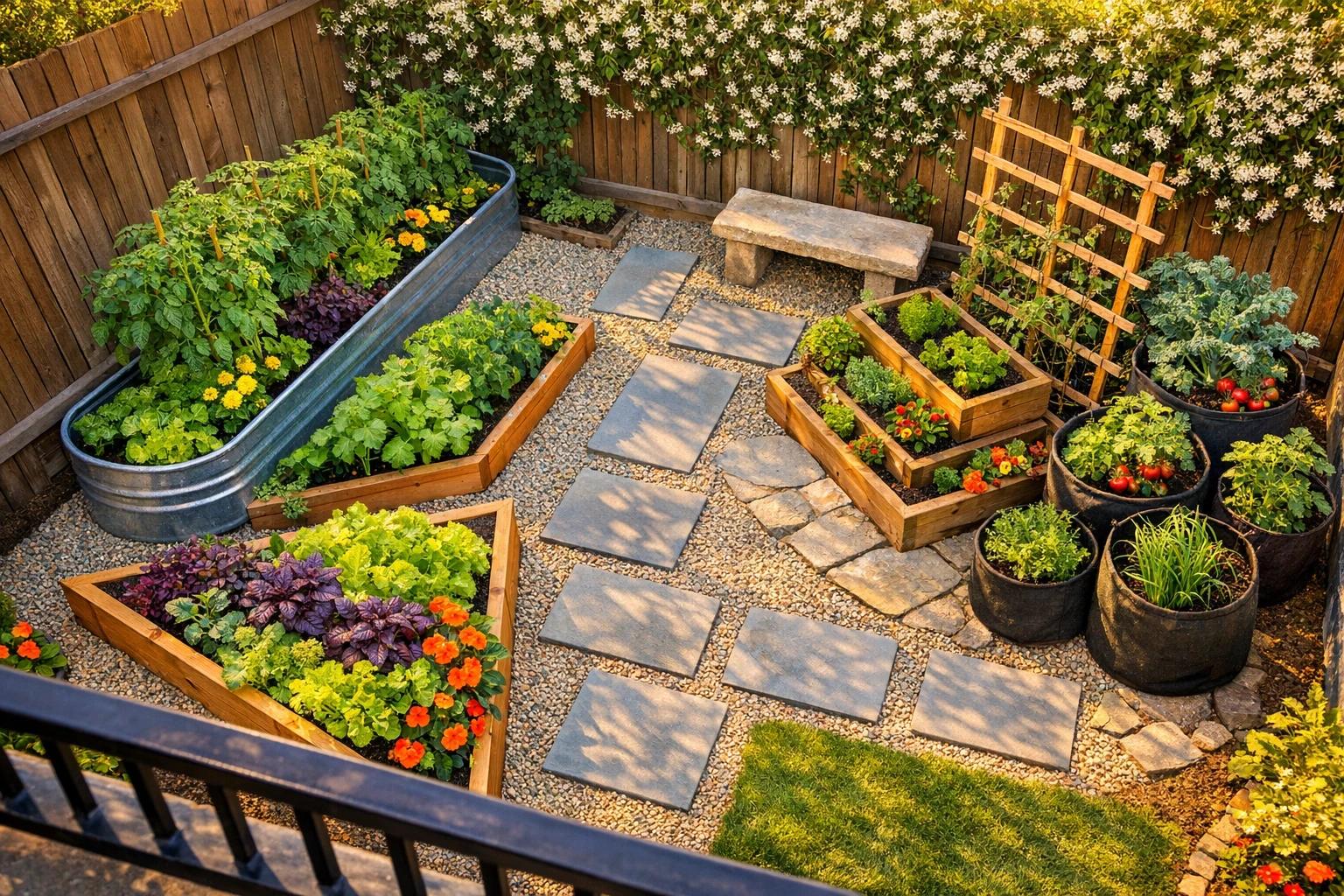
Affordable Raised Garden Bed Kits with Fast Delivery Options
Raised bed kits have made home gardening easier for beginners, renters, and anyone working with a tight outdoor footprint. Shopping online gives you access to far more sizes, materials, and price ranges than most local stores can display at once. The tricky part is separating sturdy, useful kits from polished listings that may not hold up through a full season. This guide compares practical options, compact-yard solutions, and delivery details that deserve a closer look before you place an order.
Outline: What This Guide Covers and How to Judge a Good Kit
Before comparing products, it helps to map the decision in a simple way. Raised bed kits and small-yard gardening kits are not one single category. Some are deep wooden frames meant for permanent vegetable plots, some are modular steel systems built to last for years, and others are compact all-in-one boxes designed for patios, side yards, and narrow spaces beside a fence. A good buying guide should therefore start with an outline, not a shopping cart.
This article is organized around five practical questions. First, what makes a raised bed kit worth buying online in the first place? Second, which material and design styles tend to perform best for different goals? Third, which formats are smartest for small yards where every square foot matters? Fourth, how do affordability and delivery speed affect the real value of a kit? Finally, how can a gardener match a kit to budget, climate, crop choice, and time available for upkeep?
-
Material and durability: cedar, fir, galvanized steel, resin, composite, and fabric all behave differently outdoors.
-
Size and depth: a bed that looks roomy in a photo may be too shallow for tomatoes or too wide for easy harvesting.
-
Assembly and shipping: fast delivery is useful only if the box arrives complete, undamaged, and ready to build.
-
Space efficiency: small yards often benefit from narrow, elevated, corner, or modular designs rather than one large rectangle.
-
Long-term cost: the cheapest kit at checkout is not always the least expensive choice over three or four growing seasons.
Raised beds remain popular for solid reasons. They warm up faster than in-ground plots in spring, improve drainage in heavy soil, and create a controlled growing area that is easier to weed and amend. Many gardeners also appreciate the ergonomic benefit: a bed that stands 11 to 30 inches tall can reduce bending and make routine care less tiring. As a rule, beds up to 4 feet wide are easiest to reach from both sides without stepping on the soil. For depth, leafy greens may grow happily in 6 to 8 inches, while carrots, peppers, and tomatoes usually do better with 10 to 18 inches depending on the variety.
Think of this section as the garden map at the trailhead. Once the route is clear, choosing among online kits becomes far less confusing and far more practical.
Best Raised Bed Kits Online: Materials, Sizes, and Formats That Stand Out
When people search for the best raised bed kits online, they are often really asking a more useful question: best for what kind of gardener? Online marketplaces and gardening retailers now offer hundreds of kits, yet most fall into a handful of reliable types. Understanding those types makes comparisons much easier than chasing one universal winner.
Wooden kits remain a favorite for a natural look. Cedar is especially popular because it resists decay better than many softwoods and usually needs less chemical treatment. Brands such as Greenes Fence and other cedar-panel kits are often chosen by gardeners who want a classic backyard appearance and simple assembly. Fir or pine kits are usually less expensive up front, but they may weather faster if left unsealed in wet climates. For many households, wood is the right choice when style matters as much as productivity and the bed will sit near a patio, deck, or visible border.
Galvanized steel kits have gained momentum because they combine durability with tidy design. Systems from companies such as Vego Garden or Birdies-style configurations are often praised for lasting longer than budget wood frames, especially in areas with wet winters or intense summer sun. Steel beds are typically deeper, which is useful for root crops and large fruiting plants. They can also be modular, letting buyers create long narrow beds, rounded forms, or segmented layouts. The trade-off is price: quality metal kits tend to cost more initially, though they may offer stronger value over time.
Resin and composite kits sit in the middle. They are lighter than steel, often easier to clean than raw wood, and generally resist rot well. These kits can work nicely for beginners who want straightforward setup without the heavier feel of metal. Some modular plastic-based systems are especially flexible for square-foot gardening, where the bed is divided into smaller planting areas. Their main weakness is that lower-end versions can feel less rigid, particularly if the soil is very loose or the bed is overfilled.
-
Best for traditional looks: cedar and other wood kits.
-
Best for long-term durability: galvanized steel systems.
-
Best for light weight and easy cleanup: resin or composite kits.
-
Best for accessibility: elevated raised beds with legs and drainage shelves.
Size matters just as much as material. A 2 x 4 foot bed is a strong entry point for herbs, greens, and a few compact vegetables. A 2 x 6 or 3 x 6 foot bed gives more flexibility while still fitting smaller lots. Beds wider than 4 feet can be productive, but only if they are accessible from multiple sides. Depth is another quiet deal-breaker. A shallow decorative planter might be perfect for basil, thyme, or lettuce, yet underwhelming for carrots or tomatoes.
If you want a practical shortlist, online shoppers often do best by comparing four details side by side: material, usable depth, included hardware, and the quality of real customer reviews. Photos can charm, but dimensions and construction tell the real story. In the end, the best online raised bed kit is rarely the flashiest option. It is the one that fits your crops, climate, and available space without turning setup into an afternoon-long puzzle.
Gardening Kits for Small Yards: Smart Designs for Tight Spaces and Busy Homes
Small yards can be surprisingly productive when the kit matches the footprint. A narrow side passage, a tiny patch behind a townhouse, or a modest rectangle beside a shed may look limiting at first glance, yet clever garden systems can turn that area into a compact food-growing zone. The secret is not to copy a large suburban layout in miniature. Instead, choose forms that respect traffic flow, sunlight, and maintenance time.
For very tight spaces, narrow raised beds are often more useful than square ones. A bed that measures 2 x 6 feet provides 12 square feet of growing space while staying slim enough to run along a fence or wall. That is enough room for a row of kale, several pepper plants, mixed salad greens, or a small succession planting plan. If arranged with square-foot gardening principles, even 8 square feet can be surprisingly productive. At a 6-inch spacing, a 2 x 4 bed can hold a generous patch of lettuces, while a few deeper cells can support radishes, spring onions, or compact bush beans.
Elevated planters are another excellent fit for small yards, especially for gardeners who want a cleaner setup over concrete or poor soil. These kits usually include legs, a planter box, and drainage support. They work especially well for herbs, strawberries, baby greens, and dwarf vegetable varieties. Because the soil volume is smaller than in a ground-level bed, they do require closer attention to watering, but the convenience is hard to ignore. On a summer morning, stepping outside to clip parsley from waist height feels less like a chore and more like a small luxury.
Other compact-friendly formats deserve attention too:
-
Corner beds make use of awkward yard edges that might otherwise stay empty.
-
Tiered planters allow mixed planting, with shallow-rooted herbs above and deeper crops below.
-
Grow bag kits are lightweight, easy to move, and useful for renters or seasonal layouts.
-
Vertical gardening kits add trellises or stacked pockets, ideal for cucumbers, peas, or trailing herbs.
-
Self-watering boxes help where heat, travel schedules, or forgetful watering habits can sabotage growth.
Sunlight should guide the choice. If the yard gets only 4 to 5 hours of direct light, leafy greens, herbs, and some root crops are safer bets than heavy fruiting plants. If one corner receives 6 to 8 hours, a deeper bed there can support tomatoes, eggplants, or peppers while smaller containers handle the rest. Small yards also benefit from mobility and modular design. One large bed may dominate the space, but two or three smaller units can create better pathways and let you adjust the arrangement as seasons change.
The strongest gardening kits for small yards do more than save space. They reduce friction. They keep tools close, harvesting easy, and watering manageable. In a compact garden, ease of use is not a bonus feature; it is often the difference between a thriving patch and a neglected one.
Affordable Picks and Fast Delivery Options: What to Check Before Ordering Online
Affordability online is not just about sticker price. It is the combination of item cost, shipping fees, durability, included accessories, and how quickly the kit becomes usable after arrival. A budget bed that shows up in three damaged boxes, missing screws, and warped panels is not a bargain. On the other hand, a slightly pricier kit that arrives flat-packed, well-labeled, and complete may save time, hassle, and replacement costs.
In broad terms, online raised bed kits usually fall into a few price bands. Fabric beds and simple grow bag sets often sit at the lower end, commonly starting around the cost of a casual dinner out. Basic wood kits tend to land in the moderate range, especially in smaller sizes such as 2 x 4 feet. Galvanized steel and premium cedar systems are typically more expensive, but they may also offer deeper walls and better longevity. Elevated planters vary widely because added legs, shelves, liners, or drainage systems can raise the price quickly.
Fast delivery options are most common with lightweight or flat-packed products. Resin kits, smaller metal frames, and compact elevated planters are often easier for retailers to stock in regional warehouses. Larger cedar beds and oversized modular systems may require longer handling times or ship in multiple boxes. That does not make them bad choices; it simply means delivery speed should be considered alongside project timing. If you want to plant this weekend, a smaller in-stock unit may make more sense than a premium model that arrives two weeks later.
-
Check whether the listed delivery date reflects shipping time only or also includes handling.
-
Read the package count carefully, because some kits arrive in separate shipments.
-
Look for mention of hardware, liner material, drainage components, and tool requirements.
-
Scan customer reviews for repeated notes about bent metal, split wood, weak fasteners, or unclear instructions.
-
Confirm the return policy before ordering heavy items that may be awkward to send back.
One practical strategy is to compare the total setup cost rather than the bed alone. A low-cost frame still needs soil, compost, and perhaps a weed barrier or trellis. Soil volume rises quickly with depth; a 2 x 4 bed that is 12 inches deep needs far less fill than a large 3 x 8 bed at 17 inches. For shoppers on a tight budget, it can be smarter to start with one modest, reliable bed and fill it properly than to buy a larger kit and cut corners on soil quality.
There is a quiet satisfaction in receiving a garden kit that arrives on time, assembles without drama, and fits the spot exactly as planned. Online shopping works best when the listing is treated like a blueprint rather than an advertisement. Read dimensions, weigh materials, check reviews, and let the delivery promise support the project instead of defining it.
Conclusion for Small-Space Gardeners: Choosing a Kit That Fits Your Yard, Budget, and Routine
If you are shopping for the best raised bed kits online or searching for gardening kits for small yards, the winning choice is usually the one that solves your specific problem with the least friction. For a beginner, that may be a modest cedar or resin kit with clear instructions. For a gardener planning several seasons ahead, galvanized steel may offer better long-term value. For renters or anyone reshaping a compact backyard, lightweight modular systems, fabric beds, or elevated planters can make far more sense than one oversized permanent structure.
The most helpful way to decide is to work backward from daily life. Ask how much sun your yard gets, how much lifting you want to do, which crops you actually cook with, and how much maintenance you can realistically manage in midsummer. A deep bed built for tomatoes is wasted on a gardener who mainly wants chives, mint, and salad greens. A sprawling kit with high soil costs may be unnecessary when two narrow beds could deliver the same harvest with easier access.
-
Choose wood if you want a warm, classic garden look and a straightforward build.
-
Choose steel if durability, depth, and weather resistance matter most.
-
Choose elevated or self-watering formats if convenience and accessibility lead the list.
-
Choose compact modular or vertical systems if your yard is narrow, shared, or constantly changing.
For budget-conscious buyers, affordability should include lifespan and ease of setup, not just the lowest checkout number. For time-conscious buyers, fast delivery is helpful only when the product arrives complete and matches the listing. For small-yard gardeners, efficiency is everything. A kit that preserves walkway space, fits your sunlight pattern, and keeps watering manageable will pay you back in fresh herbs, cleaner harvesting, and fewer abandoned plans.
In the end, a good garden kit does something quietly impressive: it makes growing food feel possible right where you are. Whether your outdoor area is a compact patio edge or a narrow patch behind the house, the right raised bed can turn unused space into something alive, useful, and satisfying through the season ahead.